
How to Prevent Account Takeover Fraud
Thursday 19 March, 2026
Account Takeover Fraud (ATF) is a growing risk, in which criminals gain control of someone’s bank account, or any other financial or investment account, and use it to move or steal money. This type of fraud involving personal financial accounts continues to evolve, with criminals using increasingly sophisticated methods to gain access to people’s finances.
Understanding how ATF works, recognising the warning signs, and taking simple preventative steps can significantly reduce the risk of becoming a victim.
Here we explain what account takeover fraud is, how it happens, and what you can do to help protect yourself.
Jacob West, Independent Financial Adviser (IFA) in our St Albans office said:
“Account takeover fraud is becoming increasingly sophisticated, but in many cases, it still relies on catching people off guard. Taking a few simple precautions, such as never sharing security details, checking unexpected messages carefully and contacting your bank directly if something doesn’t feel right can make a significant difference. Protecting your account starts with staying alert and treating any request for financial information with a healthy level of caution.”
What is Account Takeover Fraud?
Account takeover fraud occurs when a criminal gains unauthorised access to a person’s bank account and impersonates the legitimate account holder in order to carry out fraudulent transactions.
Once access is obtained, the fraudster may change security details such as passwords, email addresses or phone numbers, effectively locking the genuine customer out of their own account. They can then transfer money, order replacement cards or make payments as though they were the real account holder.
In many cases, victims do not realise their account has been compromised until unusual transactions appear or access to online banking suddenly stops.
How Account Takeover Fraud Happens
Fraudsters rarely gain access to bank accounts by chance. Instead, they typically rely on a combination of deception and technology to obtain personal information or login credentials.
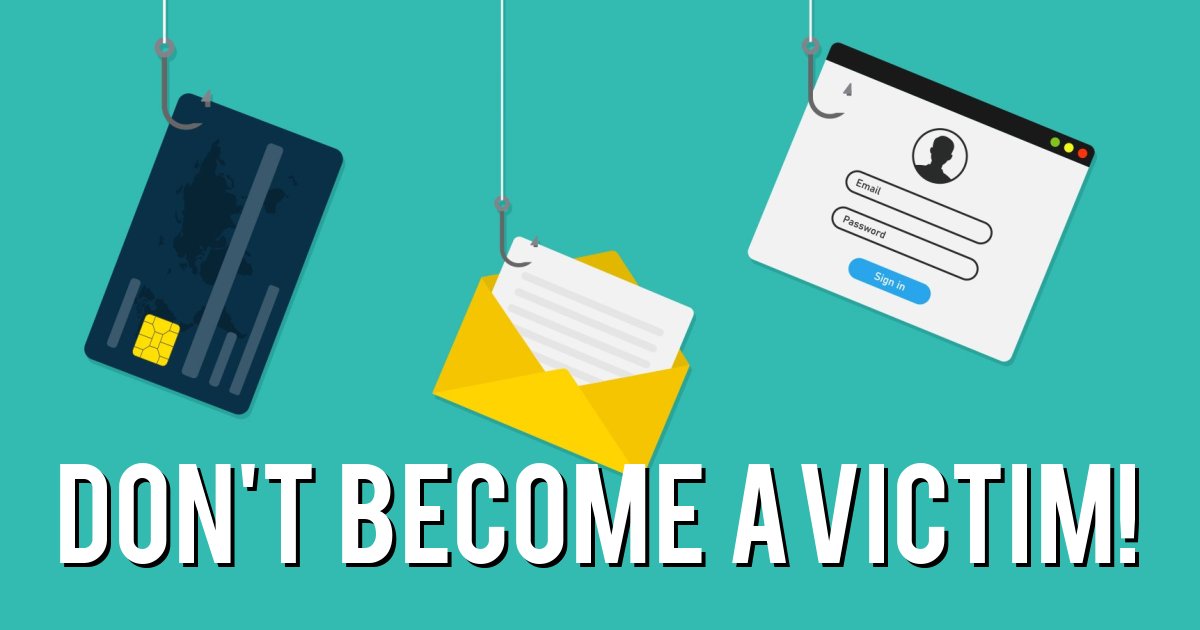
One of the most common methods is phishing, where criminals send emails, text messages or create fake websites that appear to be from a legitimate organisation, such as a bank. These messages often encourage the recipient to click a link and enter their login details, which are then captured by the fraudster.
Another common tactic involves malware or spyware. If a malicious link or attachment is opened, harmful software may be installed on a device that secretly records keystrokes or captures login details. This allows criminals to collect usernames, passwords and other sensitive information without the user realising.
Fraudsters may also rely on social engineering, which involves manipulating people into revealing confidential information. For example, a criminal might call someone pretending to be from their bank or the police, claiming that the account has been compromised and asking for security codes or passwords to “protect” the account.
Once enough information has been gathered, the fraudster can log into the account and take control.
Methods Fraudsters Commonly Use
Although the underlying goal is always the same, to gain access to a bank account, fraudsters use several techniques to achieve it.
One widely used tactic is caller ID spoofing, where criminals disguise their phone number so that it appears to come from a trusted organisation such as a bank. This can make the call appear genuine and encourage the victim to share sensitive information.
Another method involves sending messages designed to create urgency or panic, for example claiming that suspicious activity has been detected and immediate action is required. By putting the victim under pressure, criminals hope they will reveal login details or authorisation codes without questioning the request.
Fraudsters may also attempt to gain access through compromised devices, using malware or spyware to track passwords and other information entered on a phone or computer.
These techniques often work because they exploit trust and urgency rather than relying solely on technical hacking.
What Happens If Your Bank Account Is Taken Over?
If a fraudster successfully takes control of a bank account, they may quickly attempt to move money out of the account or make unauthorised purchases. They may also change contact details linked to the account so that notifications and security alerts no longer reach the genuine account holder.
Victims may first notice something is wrong when they cannot access online banking, receive alerts about unfamiliar transactions, or see payments they did not authorise.
If fraud has taken place, it should be reported immediately. In the UK, incidents of fraud and cybercrime can be reported to Action Fraud, the national reporting centre for fraud and cybercrime.
Contacting the bank as soon as possible is crucial, as they can freeze the account, investigate the activity and help prevent further losses.
Steps to Help Prevent Account Takeover Fraud
While financial institutions continue to invest in fraud prevention technology, individuals also play an important role in protecting their accounts.
One of the most effective steps is keeping banking credentials secure. Passwords, one-time passcodes and security details should never be shared with anyone, even if the request appears to come from a trusted organisation.
It is also important to be cautious with unexpected emails, texts or phone calls asking for personal or financial information. Banks will not normally ask customers to disclose full login details or security codes.
Using multi-factor authentication (MFA) where available can add an additional layer of security, requiring a second form of verification before access is granted. Keeping devices and software updated can also help reduce the risk of malware infections.
Finally, regularly monitoring bank accounts and transaction alerts can help identify suspicious activity quickly, allowing action to be taken before further damage occurs.
The Importance of Staying Alert
Account takeover fraud is a serious financial crime, but many cases can be prevented through awareness and caution. By understanding how fraudsters operate and taking simple steps to protect personal information, individuals can significantly reduce the risk of their bank accounts being compromised.
If something does not feel right, whether it is an unexpected phone call, a suspicious message or an unfamiliar transaction, it is always safer to pause and verify the request directly with the bank using official contact details.
Remaining vigilant is one of the most effective ways to stay one step ahead of fraudsters.
Latest News Next Article Previous Article