
Inheritance Tax Planning and IHT Planning Advice with Lonsdale
Tuesday 24 March, 2026
Inheritance tax planning, often referred to as IHT planning, is an essential step if you want to protect your wealth and pass on as much as possible to the people who matter most.
With tax thresholds frozen and further legislative changes ahead, more families across Ringwood and the rest of the UK are finding that their estates may be exposed to Inheritance Tax (IHT).
Professional IHT financial advice can make a significant difference, helping you plan with clarity and confidence.
At Lonsdale, we provide tailored financial advice in Ringwood, supporting customers locally and in surrounding areas including Verwood and Ferndown.
Our focus is simple: to help you understand your position clearly and explore practical, compliant solutions that reflect your personal and family circumstances.
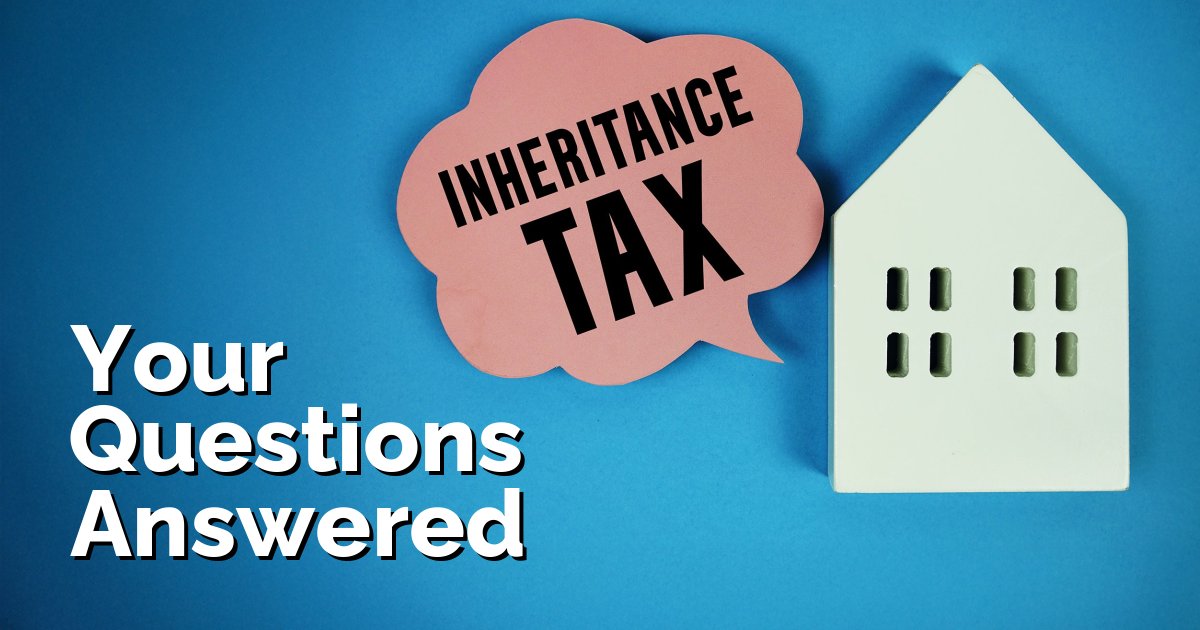
Questions Customers Often Ask About Inheritance Tax Planning
Many customers in Ringwood, Verwood and Ferndown approach us with similar concerns.
Here are some common questions with clear answers.
- Will my family have to pay 40% tax on everything I leave behind?
No. IHT is generally charged at 40% only on the portion of your estate that exceeds available allowances. - Does my home count towards inheritance tax?
Yes. Your property forms part of your estate, although the residence nil-rate band may reduce the tax payable if left to direct descendants. - Are pensions subject to inheritance tax?
Currently many pension funds sit outside the estate, but proposed changes from April 2027 are expected to include unused pension funds within the estate for IHT purposes. - Can I give money away to reduce inheritance tax?
Yes, certain gifts are exempt, and others may fall outside your estate if you survive seven years. However, rules are technical and advice is recommended. - Is inheritance tax planning only for the very wealthy?
No. Due to frozen thresholds and rising property values, more middle-income families are now affected.
Planning Options That May Be Considered
There is no single solution to inheritance tax planning. Appropriate strategies depend entirely on individual circumstances and must be carefully assessed.
Potential options may include:
- Making use of annual gifting allowances and other exemptions permitted under current legislation
- Structuring wills effectively to maximise available nil-rate and residence nil-rate bands
- Considering trust arrangements where suitable and compliant
- Reviewing pension arrangements in light of upcoming legislative changes
- Exploring charitable giving, which can reduce the overall IHT rate in certain cases
All strategies must be aligned with current legislation and your wider financial objectives. This is where professional financial advice in Ringwood becomes invaluable.
Why Professional Inheritance Tax Planning Matters
Inheritance tax planning is not about avoiding tax at all costs; it is about making informed, compliant decisions based on your circumstances. Every estate is different. The value of your home, your savings, pensions, investments, business interests and family structure all affect how IHT may apply.
Working with a Financial Adviser in Ringwood ensures that your planning reflects your broader financial goals. Effective IHT advice in Ringwood should always consider retirement income, long-term care needs, family protection and your overall wealth management strategy.
Howard Goodship, Financial Adviser, Ringwood, explains:
“Inheritance tax planning is about giving families reassurance. With the rules becoming more complex, taking professional advice helps ensure that plans are structured correctly, remain compliant, and genuinely support your long-term intentions.”
Supporting Families in Ringwood and Surrounding Areas
At Lonsdale, we are proud to provide trusted IHT advice in Ringwood, as well as support to customers in Verwood, Ferndown and neighbouring communities. Our approach is warm, professional and tailored. We take the time to understand your financial position and explain complex rules in straightforward language.
Inheritance tax planning is not simply about tax efficiency. It is about protecting your legacy, supporting your loved ones and ensuring your affairs are structured in a way that reflects your wishes.
If you would like to review your current arrangements or explore proactive IHT planning, speaking to a qualified Financial Adviser in Ringwood could be one of the most valuable steps you take. Professional, regulated advice helps ensure that your plans remain compliant, robust and aligned with your long-term goals.
Key Factors That Influence Your IHT Position
When considering IHT planning, several important factors must be reviewed carefully.
- Your marital or civil partnership status can significantly affect available allowances, as unused nil-rate bands may be transferred to a surviving spouse.
- The value and type of assets you hold, such as property, pensions, business interests or investment portfolios, will influence how your estate is assessed.
- Your health and age can affect decisions around gifting and the use of certain planning strategies, particularly where the seven-year gifting rule applies.
- Family structure also plays a role, especially in blended families or where vulnerable beneficiaries are involved.
Understanding how these factors interact requires structured, regulated advice rather than isolated financial decisions.
Current Inheritance Tax Policies and Thresholds
Inheritance Tax is charged on the value of an estate above certain government-set thresholds. Under current rules set by HM Revenue & Customs, the nil-rate band is £325,000 per individual.
In addition, the residence nil-rate band can provide up to £175,000 where a main home is passed to direct descendants. These allowances can potentially be combined for married couples or civil partners, allowing up to £1 million to be passed on free from IHT in some circumstances.
However, these thresholds are frozen until at least the 2030/31 tax year. As property values and investments rise, this freeze means more estates may exceed the limits and face tax at 40% on the excess.
Further reforms are also on the horizon. From April 2026, reliefs such as Business Property Relief and Agricultural Property Relief will be capped. From April 2027, unused pension funds are expected to form part of an individual’s estate for IHT purposes.
These changes increase the importance of reviewing your arrangements sooner rather than later.
Please note: The contents of this article are for information purposes only and do not constitute individual financial advice. The information contained within this article is based on our understanding of legislation, whether proposed or in force, and market practice at the time of writing. Levels, bases and reliefs from taxation may be subject to change. The Financial Conduct Authority does not regulate estate planning, tax advice, trusts and wills.
Latest News Next Article Previous Article