
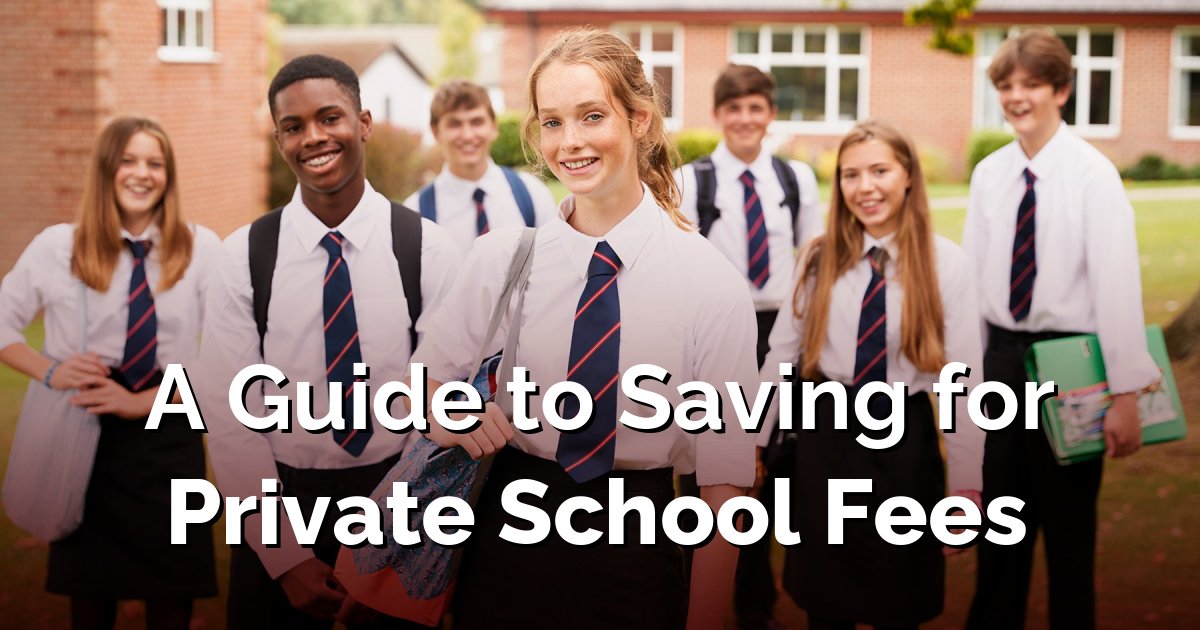
How to Save for Your Child’s Private Secondary Education
Friday 24 April, 2026
Private School Fees are expensive, so common questions are:
What is the most financially effective way to save for school tuition fees?
Can a financial adviser help to set up a strategy to save for private school fees?
Choosing to save or invest to fund a child’s private schooling is a deeply personal decision, often driven by a desire to provide opportunity, confidence, and long-term prospects.
However, it is also one of the most significant financial commitments many families will make. With careful planning, realistic assumptions, and the right financial advice, it is possible to approach this goal with clarity and confidence.
Aaron Abraham, Independent Financial Adviser (IFA), Wimbledon, London said:
"Planning ahead for private school fees is one of the most valuable financial steps parents can take. With the right strategy in place early on, it’s possible to ease the pressure, make the costs more manageable, and ensure your child’s education is supported without compromising your wider financial goals."
Understanding the Cost of Private Secondary Education in the UK
Private school fees in the UK have risen notably in recent years, particularly following the introduction of VAT on fees in 2025.
Current figures suggest that average day school fees are approximately £22,000–£22,500 per year. Senior (secondary) school fees alone typically range between £21,000 and £28,000 annually.
Additional costs, such as uniforms, trips, and extracurricular activities, can add 20–30% on top of fees.
It is important to remember that fees tend to increase over time and often rise faster than inflation, making forward financial planning and taking financial advice, some would say, essential.
The True Cost: Beyond Tuition Fees
When budgeting for private education, it is vital to account for more than just tuition. Families should also consider (the following costs should be taken as a guide):
- School trips and residential visits: Costs vary from £500 for a day trip to over £2,000 for longer residential trips, including travel, accommodation, and activities.
- Sports clubs and activities: Fees for clubs, coaching, equipment, and tournaments can range from £500–£1,500 per year, depending on the sport and level.
- Music, drama, and other extracurricular lessons: Private lessons, instruments, or performance opportunities may add £500–£1,000 annually.
- Uniforms and school supplies: Including seasonal replacements, kit for sports, stationery, and specialist clothing can amount to £500–£1,000 per year.
- Technology and school resources: Laptops, software, and online learning subscriptions may be required, costing around £200–£500 per year.
Factoring in these extra costs helps prevent unexpected financial pressure during secondary education.
When Should You Start Saving?
For most families, the earlier the better. Ideally, planning begins from birth or the early primary years, giving investments more time to grow and reducing monthly contribution pressures.
If starting later, contributions need to be higher, and shorter timeframes may require a more cautious investment approach.
Regular review is essential to ensure the plan keeps pace with rising fees, investment returns, or changes in family circumstances.
Savings and Investment Options for School Fees
There are a number of ways to save or invest for your child’s private secondary education, each with its own benefits, here are a few options:
- Cash Savings Accounts offer simplicity and security, providing easy access to funds when needed.
- Stocks & Shares ISAs and general investment accounts provide the potential for long-term growth, although values can fluctuate with the market.
- Trusts, such as bare trusts, can also be used to plan for education funding, particularly when contributions come from extended family or when additional control over funds is needed.
Choosing the right approach depends on your timeline, risk appetite, and broader financial priorities.
Example: Saving for Private Secondary School
Let’s consider a realistic example based on current UK averages:
- Annual school fees: £22,500
- Additional costs (25%): £5,625
- Total yearly cost: ~£28,000
For 7 years of secondary education (ages 11–18):
- Total cost: ~£196,000
Monthly Saving Example
If saving over 10 years (from age 1 to 11), without investment growth, the required monthly saving is approximately £1,630 per month.
If investing with moderate growth (around 4–5% per annum), monthly contributions could reduce to approximately £1,200–£1,400 per month, making the plan more manageable.
The Bank of Grandparents
Pension rules are set to change, therefore utilising grandparents to help with school fees has become an increasingly popular and effective strategy for many families.
Grandparents can play a valuable role by contributing towards fees either through regular payments or one-off gifts, helping to ease the financial burden on parents while also supporting their grandchildren’s future.
Importantly, contributions made from surplus income can fall outside of the grandparent’s estate for inheritance tax purposes, provided they are made on a regular basis and do not affect their standard of living. This can make it a highly tax-efficient way of passing on wealth.
Alternatively, grandparents may choose to make larger lump sum gifts, which could also fall outside of their estate after seven years, depending on the structure of the gift and their overall estate planning position.
As with any financial planning strategy, it is important to ensure that any gifting is structured correctly and aligns with the wider financial needs and long-term security of the grandparents themselves – speaking to a financial adviser is recommended.
Additional Planning Considerations
- Inflation: School fees tend to rise faster than general inflation, often by 3–4% per year.
- Lifestyle and extras: Trips, sports, and extracurriculars must be factored into overall planning.
- Consistency: Regular contributions and periodic review help manage risk and maximise growth potential.
Why Professional Financial Advice Matters
Planning for private education is not just about saving, it’s about balancing competing financial priorities, managing risk, and making tax-efficient decisions.
Professional advice can help you assess affordability, build a personalised investment strategy, maximise tax efficiency, and plan for contingencies.
At Lonsdale, we understand that this is about more than numbers, it’s about your child’s future and your peace of mind.
Aaron Abraham, Independent Financial Adviser (IFA), Wimbledon, London concludes:
"Planning for private education can feel overwhelming, especially with rising costs. The key is to start early, stay consistent, and build a plan that works alongside your wider financial goals, not against them. With the right advice, it becomes far more manageable and far less stressful."
How Lonsdale Can Help
Our experienced Financial Planners provide clear, compassionate guidance to help families understand the full cost of private education, build structured savings and investment plans, review progress regularly, and protect against unexpected financial shocks.
We guide you through every stage, ensuring your child’s educational future is supported without compromising your financial wellbeing.
Please note: The value of an investment and the income from it could go down as well as up. The return at the end of the investment period is not guaranteed and you may get back less than you originally invested. The contents of this article are for information purposes only and do not constitute individual advice. The Financial Conduct Authority does not regulated advice on Trust Planning.
Latest News Next Article Previous Article